Research and Ethics
The Australian Fashion industry in recent years has voiced their concern for sustainability in the industry as ‘fast fashion’ is seemingly becoming an issue that is desired by many individuals (Mcneill and Moore, 2015). The expression ‘fast fashion’ refers to cheap clothing usually made in countries such as China or Thailand. With fashion trends only lasting the course of a season, fast fashion is becoming increasingly prevalent having an resulting impact on the environment due to wastage (Joy et at, 2015). Up until this point, I myself have not taken as much care as I would like to in regards to ethical and sustainable fashion. Over the next few weeks I will better my understanding on this issue to ensure I am educated enough to inform others about the importance of buying sustainable Australian made clothing.

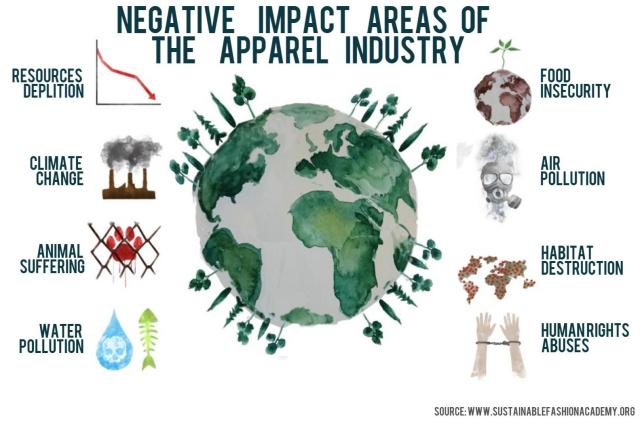
My media niche: Analysing Fashion influencers and bloggers who support ethical and sustainable brands, is an ethical issue itself. There are ethical issues of the cost to the environment, harmful fabrics and sweatshops. There are also a few ethical issues that may arise with my autoethnographic study. Ethical issues which I may come across during my research can include copy right, ethics of authenticity and confidentiality. In my research I have the ethical responsibility to consider all of these issues and manage them in a way that will not affect or impact any individuals or brands.
Ethical issues which I may encounter in my research is the revealing of personal information such as influencers personal information. I will manage this ethical issue in my research by being extremely careful when sharing content produced by influences and bloggers. Other ethical limitations include that I do not have permission to copy tweets, Facebook posts etc. I do however, have permission to describe my experience when observing these tweets and posts. I can draw information to use for my research without copying and pasting straight from the source.
Ethics of Authenticity
Ethics of authenticity means that bloggers must be true to themselves and to the brand which they are influencing. They should not share content or promote a brand or product unless they truly like and believe in it. This authenticity is integral to an influencer or blogger as they need to build brand identity and a relationship with their audience in order to eventually profit as a business (Wellman, 2020).
Environmental Cost Associated with Fashion
According to Sustain Your Style, 2020, ‘the fashion industry is the second largest polluter in the world’. The environmental damage is increasing due to plastic microfibres being dumped into the ocean, wasted water from dyeing fabrics as well as pollution and an increase of carbon emmisions as a result of shipping garments across the world.
Sweatshops

Since the collapse of an eight story garment factory in Bangladesh 6 years ago killing over 1000 workers, the engagement in ethical fashion has increased, though not high enough currently to create significant change. The unsafe working conditions in countries such as Bangladesh and India have been the cause of thousands of casualties. Terrible working conditions also include cheap labour, 14-16 hour workdays and risk of disease due to sandblasting with no proper safety protection.
References
Lisa Mcneill and Rebecca Moore, 2015. “Sustainable fashion consumption and the fast fashion conundrum: fashionable consumers and attitudes to sustainability in clothing choice”. Volume 39 Issue 3. Pages 212 to 222. Accessed 1st September 2020.
Joy and Wang et at, 2015. “Fast Fashion, Sustainability, and the Ethical Appeal of Luxury Brands”. Volume 16 issue 3, pages 273-295. Accessed 28th August 2020.
Mariah L. Wellman, 2020. Ethics of Authenticity: Social media influences and the production of sponsored content. Pages 68-82 https://www.tandfonline.com/doi/ref/10.1080/23736992.2020.1736078?scroll=top

 Tahlia's Blog